Category
page 1World War II political leaders

Adolf Hitler
Adolf Hitler was an Austrian-born German politician who was the dictator of Germany during the Nazi era from 1933 until his suicide in 1945. He rose to power as the leader of the Nazi Party, becoming the chancellor of Germany in 1933 and then taking the title of Führer und Reichskanzler in 1934. Germany's invasion of Poland on 1 September 1939 under his leadership marked the outbreak of the Second World War. Throughout the ensuing conflict, Hitler was closely involved in the direction of German military operations and was central to the perpetration of the Holocaust, the genocide of about six million Jews and millions of other victims.

Joseph Stalin
Joseph Vissarionovich Stalin was a Soviet revolutionary and politician who led the Soviet Union from 1924 until his death in 1953. He held office as general secretary of the Communist Party from 1922 to 1952 and as premier from 1941 until his death. Despite initially governing the country as part of a collective leadership, he eventually consolidated power to become a dictator by the 1930s. Stalin codified the Communist Party's official interpretation of Marxism as Marxism–Leninism, and his version of it is referred to as Stalinism.

Winston Churchill
Sir Winston Leonard Spencer Churchill was a British statesman, military officer, and writer who was Prime Minister of the United Kingdom from 1940 to 1945, during the Second World War, and again from 1951 to 1955. For some 62 of the years between 1900 and 1964, he was a Member of Parliament (MP) and represented a total of five constituencies over that time. Ideologically an adherent to economic liberalism and imperialism, he was for most of his career a member of the Conservative Party, which he led from 1940 to 1955. He was a member of the Liberal Party from 1904 to 1924.

Franklin D. Roosevelt
Franklin Delano Roosevelt, also known as FDR, was the 32nd president of the United States, serving from 1933 until his death in 1945. He is the longest-serving US president and the only one to have served more than two terms. His first two terms were centered on combating the Great Depression, while his third and fourth focused on US involvement in World War II. A member of the Democratic Party, Roosevelt served in the New York State Senate from 1911 to 1913 and as the 44th governor of New York from 1929 to 1932.

Charles de Gaulle
French general and statesman (1890–1970)

Benito Mussolini
Benito Amilcare Andrea Mussolini was an Italian politician, journalist, and dictator who led Italy as Il Duce from 1922 until his overthrow in 1943. He founded the fascist movement in 1919, with the creation of the Fasci Italiani di Combattimento, which became the National Fascist Party (PNF) in 1921. Mussolini was appointed Prime Minister of Italy after the March on Rome in 1922, establishing a totalitarian dictatorship. He oversaw Italy's participation in World War II as a prominent member of the Axis Powers, and was summarily executed near the end of the war in 1945.

Harry S. Truman
president of the United States from 1945 to 1953; politician (1884–1972)

Tenzin Gyatso
14th Dalai Lama

Hirohito
, known colloquially by his personal name was the 124th emperor of Japan according to the traditional order of succession, reigning from 1926 until his death in 1989. He remains the longest-reigning emperor in Japanese history and one of the longest-reigning monarchs in the world. As emperor during the Shōwa era, Hirohito presided over the rise of Japanese militarism, the Second Sino-Japanese War, the Asia-Pacific theater of World War II, and the nation's postwar economic miracle.

Chiang Kai-shek
Chinese politician, military leader, and President of the ROC (1887–1975)

Francisco Franco
Spanish general and dictator (1892-1975)

Josip Broz Tito
Yugoslav revolutionary and statesman (1892−1980)

Pius XII
pope of the Catholic Church from 1939 to 1958

Neville Chamberlain
Prime Minister of the United Kingdom from 1937 to 1940

George VI
George VI was King of the United Kingdom and the Dominions of the British Commonwealth from 11 December 1936 until his death in 1952. He was also the last Emperor of India from 1936 until the British Raj was dissolved in August 1947, and the first Head of the Commonwealth following the London Declaration of 1949.

Heinrich Himmler
German Nazi politician; leader of the German SS & main architect of the Holocaust (1900–1945)

Haile Selassie I
Emperor of Ethiopia from 1930 to 1974

Mohammad Reza Pahlavi
Mohammad Reza Pahlavi was the last Shah of Iran from 1941 to 1979. He succeeded his father Reza Shah and ruled the Imperial State of Iran until he was overthrown in the Islamic Revolution led by Ruhollah Khomeini, which abolished the Iranian monarchy to establish the Islamic Republic of Iran. In 1967, he took the title Shahanshah, and held several others, including Aryamehr and Bozorg Arteshtaran. He was the second and last ruling monarch of the Pahlavi dynasty.

Clement Attlee
Prime Minister of the United Kingdom from 1945 to 1951 (1883–1967)

Vyacheslav Molotov
Soviet politician, statesman and diplomat (1890–1986)
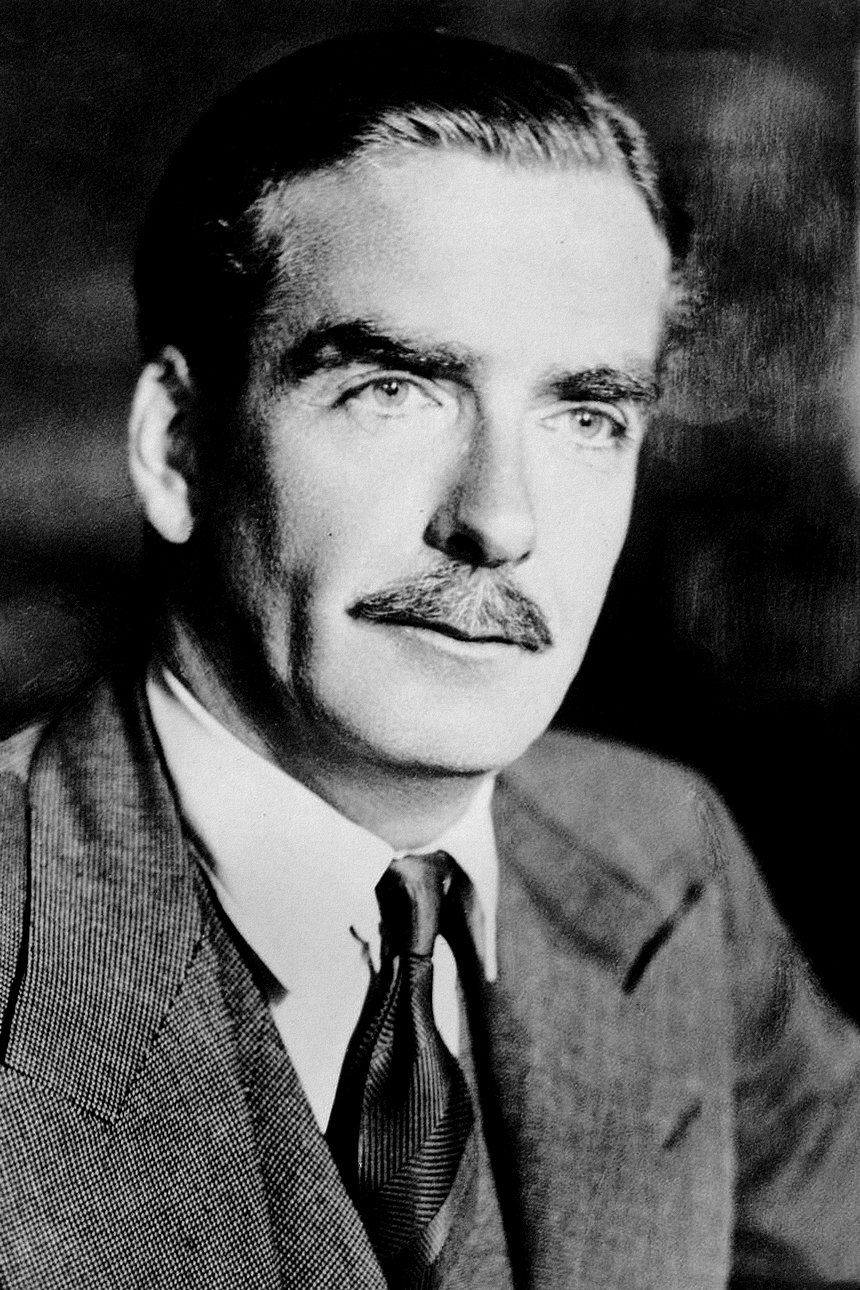
Anthony Eden
British soldier, diplomat and politician (1897–1977)

Philippe Pétain
French military and political leader (1856–1951)

Ibn Saud
founder and first king of Saudi Arabia (r. 1932–1953)

António de Oliveira Salazar
Prime Minister of Portugal (1889-1970)

Norodom Sihanouk
Cambodian monarch and politician (1922–2012)

Joachim von Ribbentrop
German Foreign Minister of Nazi Germany (1893–1946)

Fulgencio Batista
President of Cuba, 1940–1944; dictator, 1952-1959 (1901-1973)

Carl Gustaf Emil Mannerheim
Finnish military leader and statesman (1867–1951)

Hideki Tojo
Japanese general and politician (1884–1948)

İsmet İnönü
2nd President of the Republic of Turkey (1884–1973)
.jpg)
Puyi
Puyi (; 7 February 190617 October 1967) was the last emperor of China, reigning as the eleventh monarch of the Qing dynasty from 1908 to 1912, and a brief return in 1917, when he was forced to abdicate. Later, he sided with Imperial Japan and was made ruler of Manchukuo—Japanese-occupied Manchuria—in hopes of regaining power as China's emperor. After over 10 years of imprisonment for war crimes following the end of World War II, Puyi worked for four years as a gardener in Beijing, China.
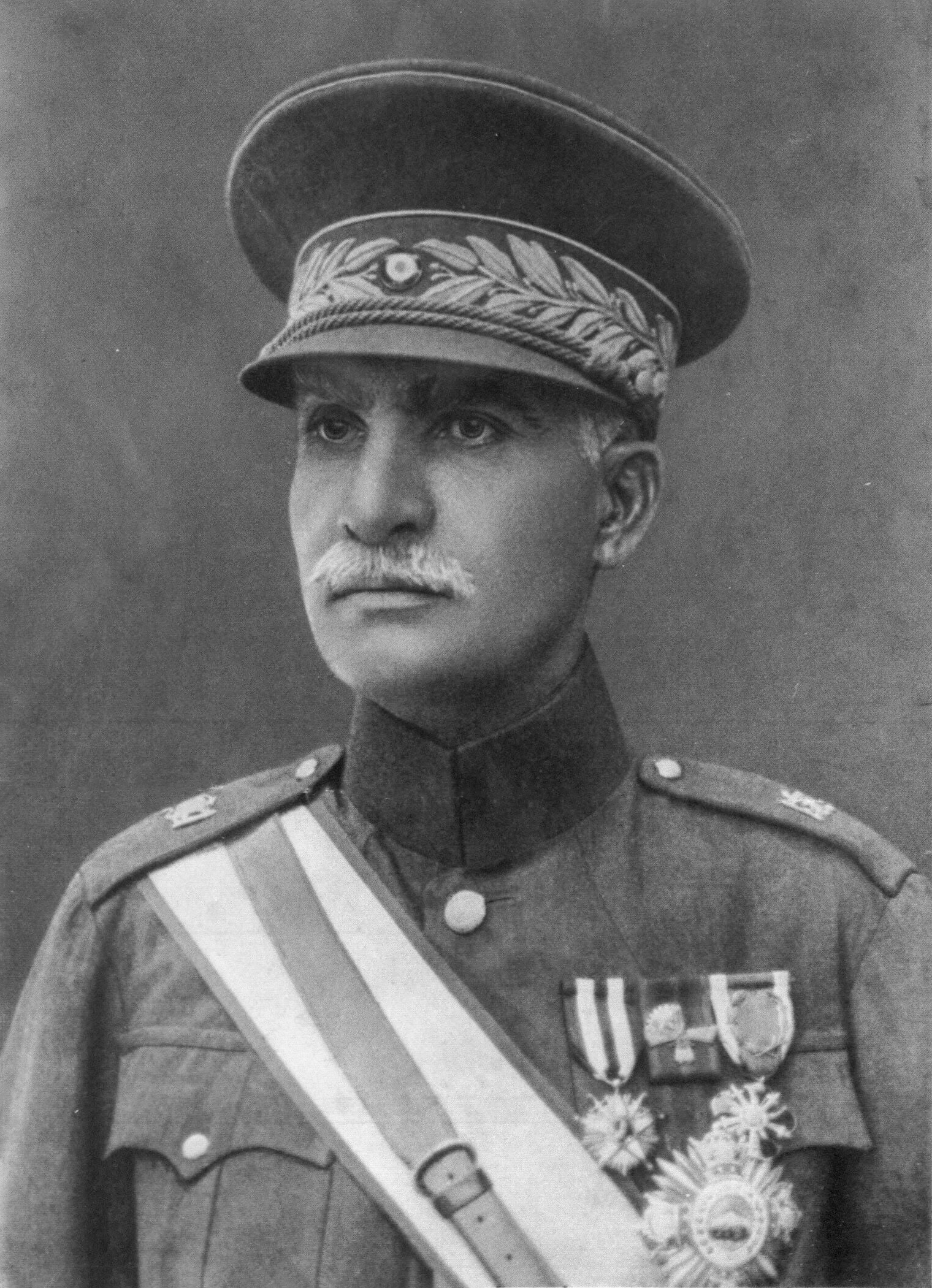
Reza Shah
Reza Shah Pahlavi was Shah of Iran from 1925 to 1941 and founder of the Pahlavi dynasty. Originally an army officer, he became a politician, serving as minister of war and prime minister of Iran, and was elected shah following the deposition of Ahmad Shah, the last monarch of the Qajar dynasty.

Getúlio Vargas
President of Brazil (1930–1945; 1951–1954)

Wilhelmina of the Netherlands
Queen of the Netherlands from 1890 to 1948 (1880-1962)

Trygve Lie
1st Secretary-General of the United Nations (1896–1968)

Mikhail Ivanovich Kalinin
Soviet politician (1875–1946)

Subhas Chandra Bose
Indian nationalist leader (1897-1945)

Victor Emmanuel III of Italy
King of Italy from 1900 to 1946

Éamon de Valera
Irish statesman (1882–1975)

Edvard Beneš
Czechoslovak politician (1884-1948)
Mohammed Zahir Shah
King of Afghanistan (1933-1973)

Leopold III of Belgium
king of the Belgians from 1934 to 1951 (1901–1983)

Abdullah I of Jordan
Ruler of Transjordan and Jordan from 1921 to 1951
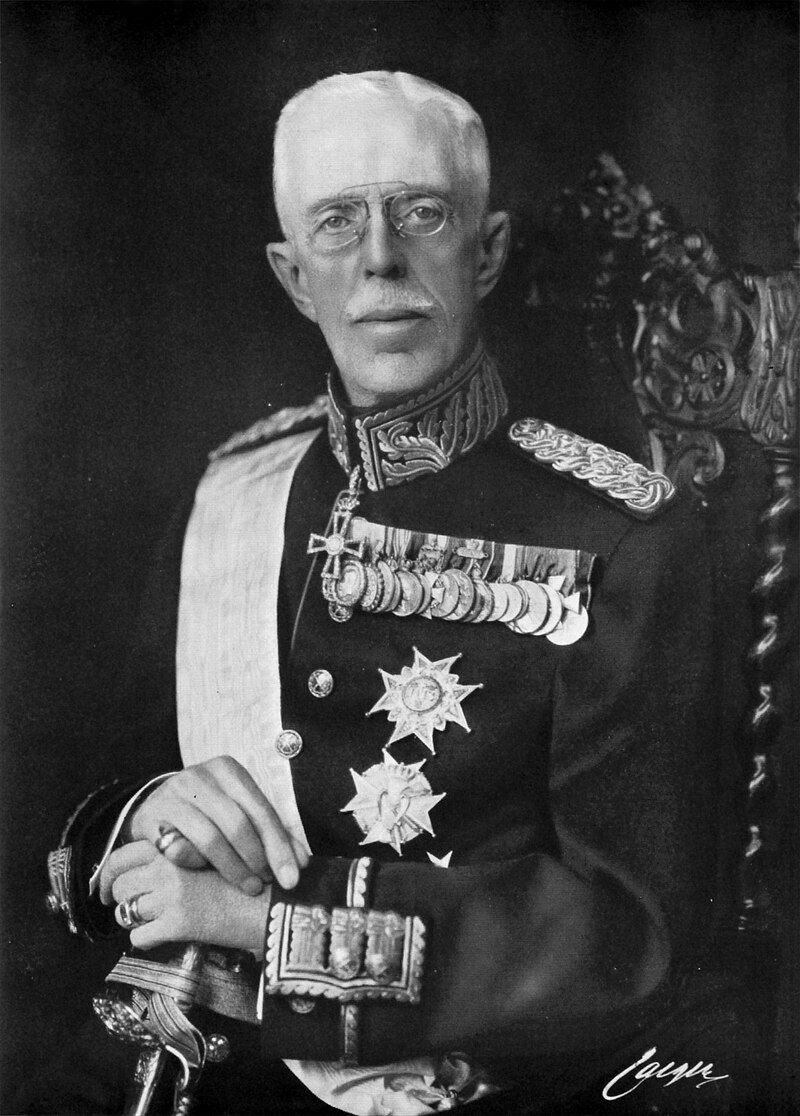
Gustaf V of Sweden
King of Sweden from 1907 to 1950
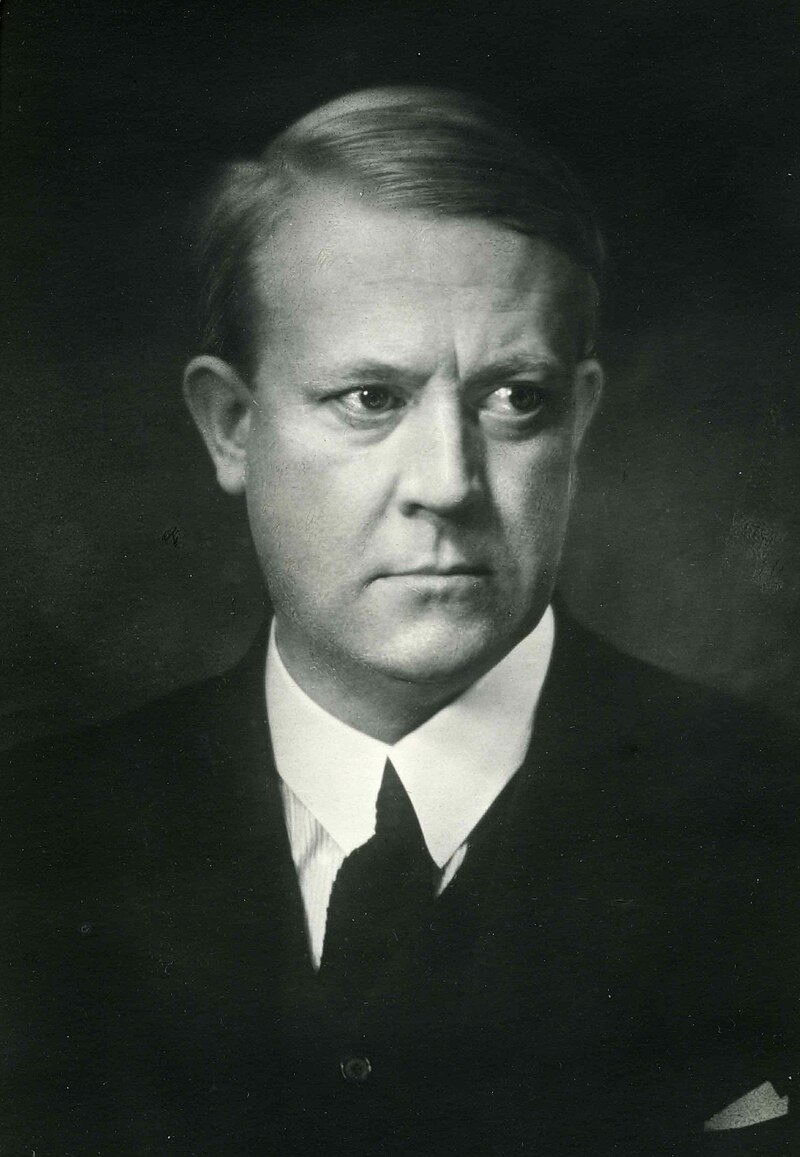
Vidkun Quisling
Norwegian politician and Nazi collaborator (1887–1945)
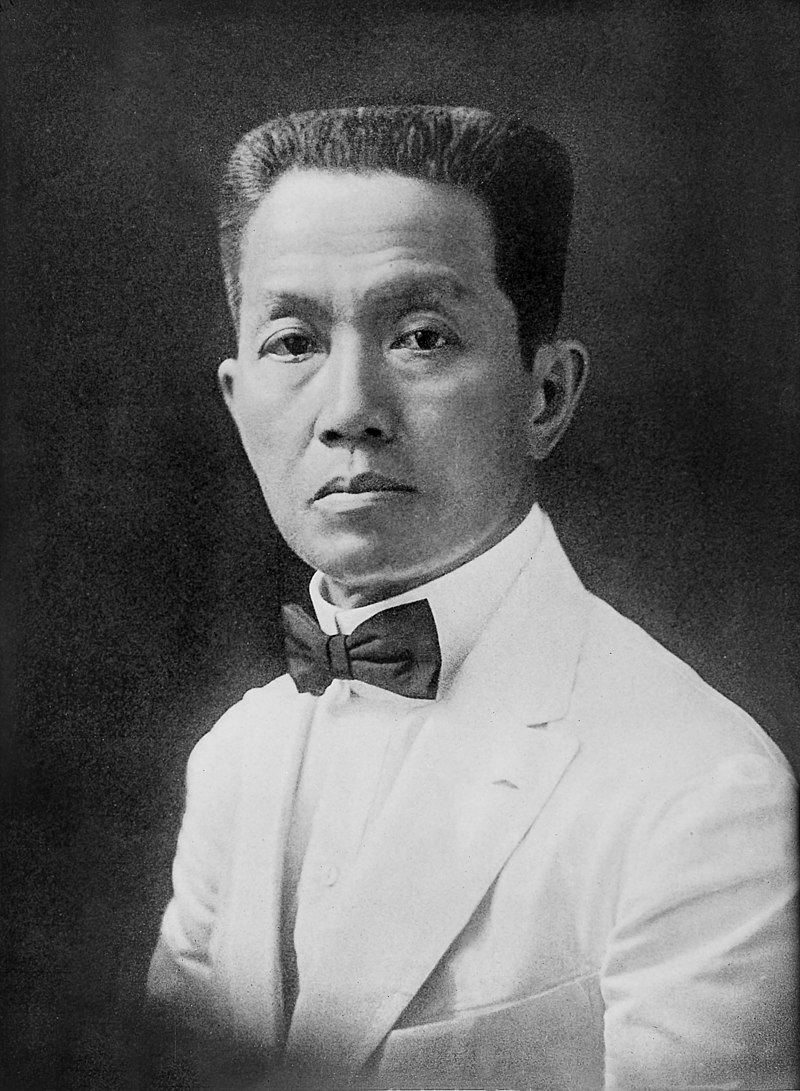
Emilio Aguinaldo
President of the Philippines from 1899 to 1902

Pietro Badoglio
Italian Military General Officer and Marshal of the Royal Italian Army from 1916-1943 during both World Wars and Prime Minister of Italy from 1943-1944 (1871-1956)

Ion Antonescu
prime minister of Romania during World War II, executed for war crimes (1882–1946)

Miklós Horthy
Regent of Hungary from 1920 to 1944 (1868-1957)

Albert François Lebrun
15th President of the French Republic (1871–1950)

Michael I of Romania
last king of Romania (r. 1927–1930, 1940–1947)

Cordell Hull
American politician, U.S. Secretary of State from 1933 to 1944

Christian X of Denmark
King of Denmark (1912–1947) and Iceland (1918–1944)

Farouk I of Egypt
King of Egypt 1936 to 1952

Alexei Kosygin
Soviet politician (1904-1980)

Rafael Trujillo
President of the Dominican Republic (1891-1961)

Juho Kusti Paasikivi
7th President of Finland (1870-1956)

Simeon II of Bulgaria
Bulgarian politician and royal (born 1937)

Arthur Seyss-Inquart
Austrian Nazi politician, and Nazi ruler of occupied Netherlands, convicted of crimes against humanity and sentenced to death (1892–1946)

Pierre Laval
French politician (1883–1945)