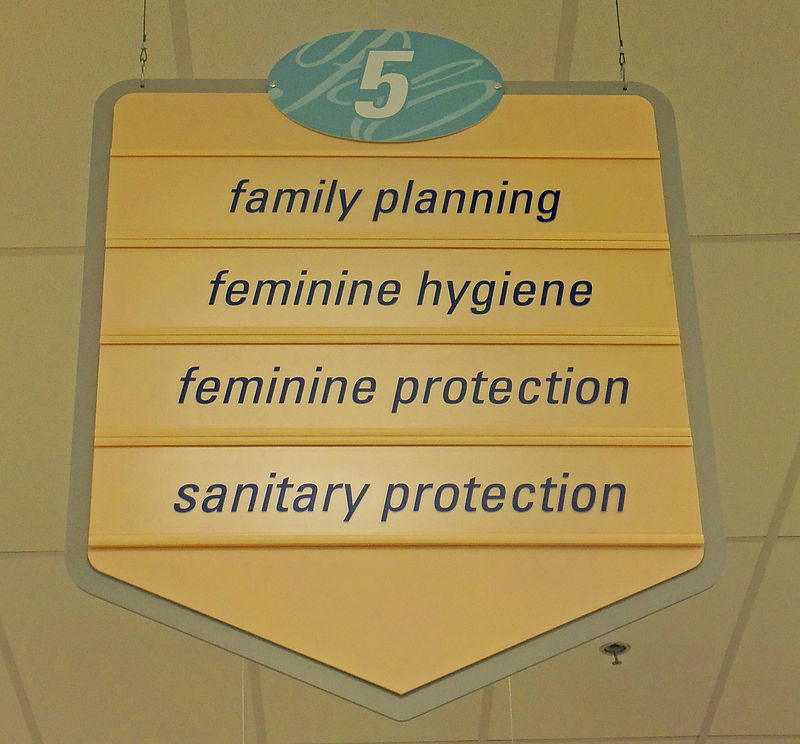
File:Drugstore_aisle_sign_with_euphemisms.jpg · Wikimedia Commons · See Wikimedia Commons
حسن تعبیر
Sign in to saveAlso known as euphemistic sense, euphemistically
کاربرد واژهای خوشایند به جای واژهای که دارای معنای ضمنی ناخوشایند است
AI overview
A euphemism is a mild or indirect word or phrase used in place of something more direct or blunt, often to avoid discomfort or offense. They matter because they reveal how people choose to discuss sensitive topics, and understanding them helps us recognize when language is being used to soften or obscure meaning.
AI-generated from the Wikipedia summary — may contain errors.
Wikidata facts
- Has part
- understatement
Show 6 more facts
- opposite of
- dysphemism
- partially coincident with
- code name
- topic's main category
- Category:Euphemisms
- Commons category
- Euphemisms
- used by
- politics
- model item
- Sonderbehandlung
Sources (7)
via Wikidata · CC0
Gallery (6)
Available in 83 languages
- Español
- Français
- Deutsch
- 中文
- 日本語
- Русский
- Português
- Italiano
- العربية
- हिन्दी
- Afrikaans
- Albanian
- Armenian
- Asturian
- Azerbaijani
- Bahasa Indonesia
- Bangla
- Banjar
Show 64 more
- Bashkir
- Basque
- Bavarian
- Bosnian
- Bulgarian
- Catalan
- cdo
- Chuvash
- Croatian
- Czech
- dag
- Danish
- Esperanto
- Estonian
- Filipino
- Finnish
- Galician
- Georgian
- Greek
- Gujarati
- Hebrew
- Hungarian
- Icelandic
- Ido
- Interlingua
- Kannada
- Kazakh
- Kyrgyz
- Latvian
- Lithuanian
- Luxembourgish
- Macedonian
- Malay
- Nederlands
- Norwegian
- Norwegian Nynorsk
- Polski
- Romanian
- Serbian
- Serbian (Latin)
- Sicilian
- simple
- Slovak
- Slovenian
- Somali
- Svenska
- Swahili
- Tamil
- Tiếng Việt
- Türkçe
- Ukrainian
- Uzbek
- Walloon
- Waray
- Welsh
- Western Frisian
- Wu Chinese
- Yakut
- zh_min_nan
- zh_yue
- Zulu
- فارسی
- ไทย
- 한국어
via Wikidata sitelinks · CC0