File:DSC00355_-_Orfeo_(epoca_romana)_-_Foto_G._Dall'Orto.jpg · Wikimedia Commons · See Wikimedia Commons
Orphism
Sign in to saveAlso known as Orphicism, Orphism (religions)
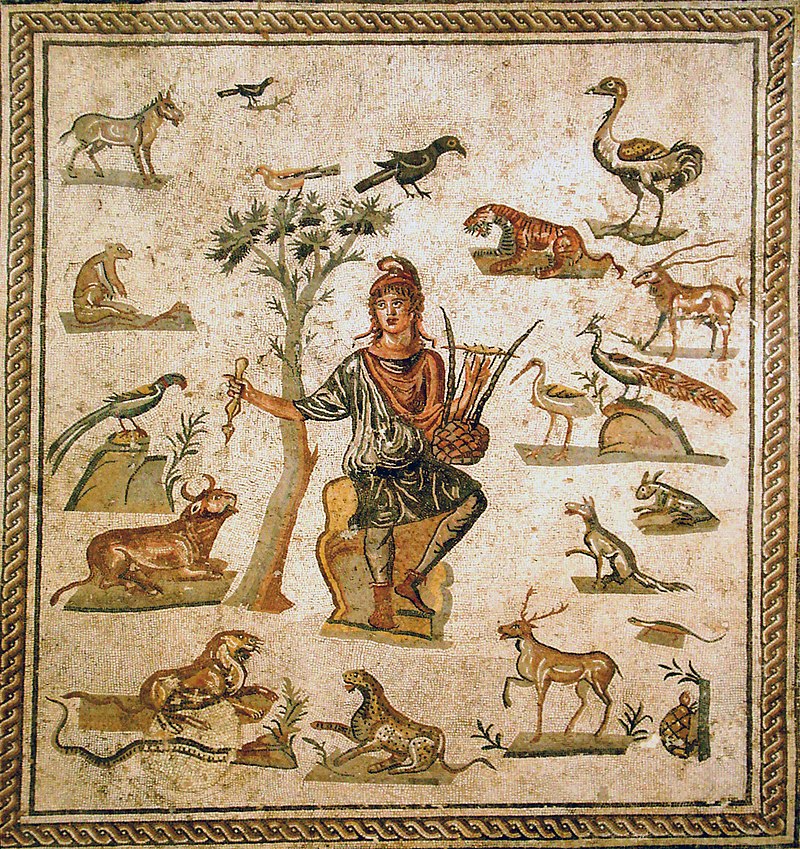
thumb|200px|right|Orphic mosaics were found in many late-Roman villas.
Wikidata facts
- Instance of
- school of thought
- Image
- Relief of Orpheus and Eurydice Wellcome M0005080.jpg
Show 3 more facts
- topic's main category
- Category:Orphism (mysteric religion)
- different from
- Orphism
- native label
- Ὀρφικά
Sources (2)
via Wikidata · CC0
~16 min read
Encyclopedic overview
15 sectionsContents
- History
- Origins
- Relationship to Pythagoreanism
- Orphic literature
- Theogonies
- Gold tablets
- Extant works
- Notes
- Bibliography
- Editions and translations
- References
- Further reading
- Articles on Orphism
- Books on Orphism
- General studies
thumb|200px|right|Orphic mosaics were found in many late-Roman villas.
Orphism is the name given to a set of religious beliefs and practices originating in the ancient Greek and Hellenistic world, associated with literature ascribed to the mythical poet Orpheus, who descended into the Greek underworld and returned. Orphism has been described as a reform of the earlier Dionysian religion, involving a re-interpretation or re-reading of the myth of Dionysus and a re-ordering of Hesiod's Theogony, based in part on pre-Socratic philosophy.
Excerpted from Wikipedia’s “Orphism” article, available under the CC BY-SA 4.0 licence.