Category
page 1Critics of the Catholic Church

Victor Hugo
French novelist, poet, dramatist and politician (1802–1885)

Martin Luther
German priest and theologian (1483–1546)
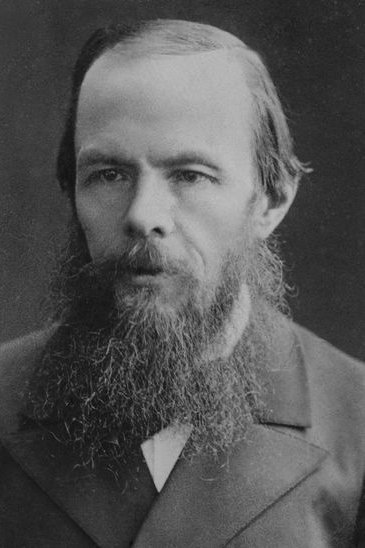
Fyodor Dostoyevsky
Russian novelist (1821–1881)
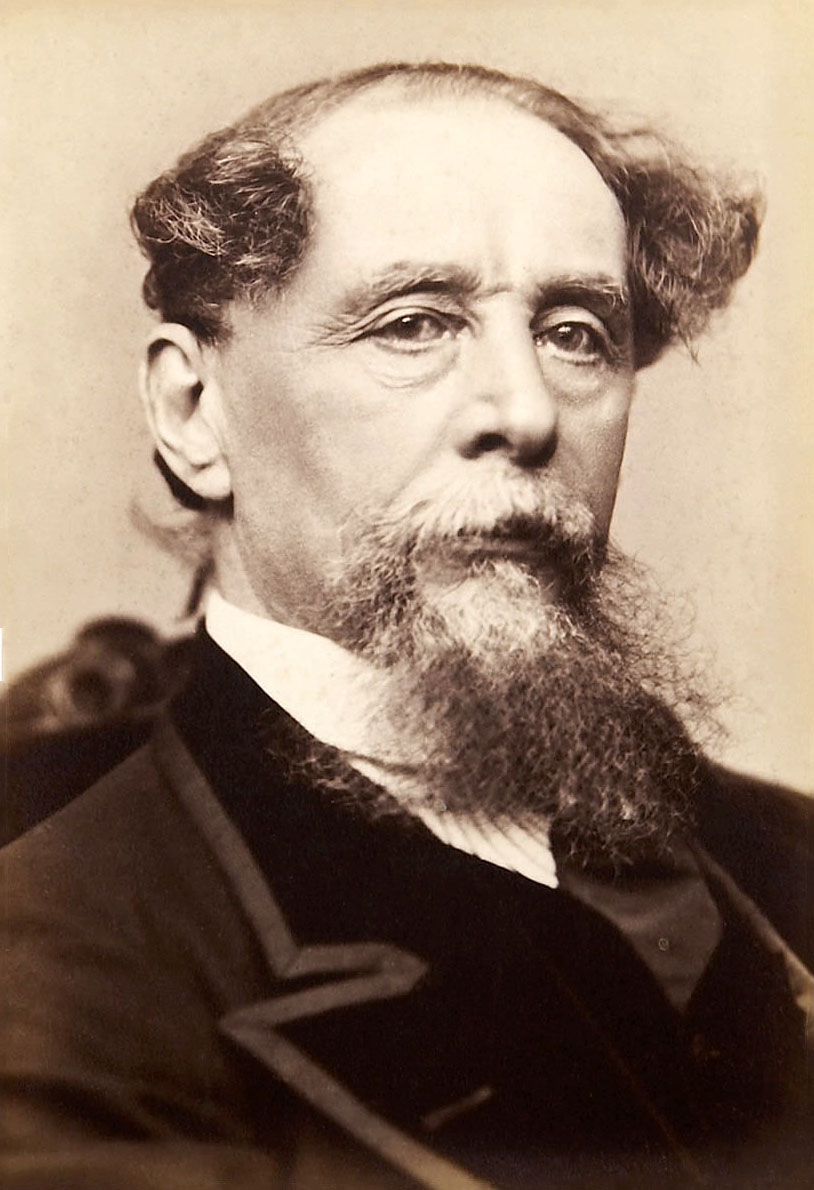
Charles Dickens
Charles John Huffam Dickens was an English writer and journalist. He created some of literature's best-known fictional characters, and is regarded by many as the greatest novelist of the Victorian era. His works enjoyed unprecedented popularity during his lifetime and, by the 20th century, critics and scholars had recognised him as a literary genius. His novels and short stories are widely read today.
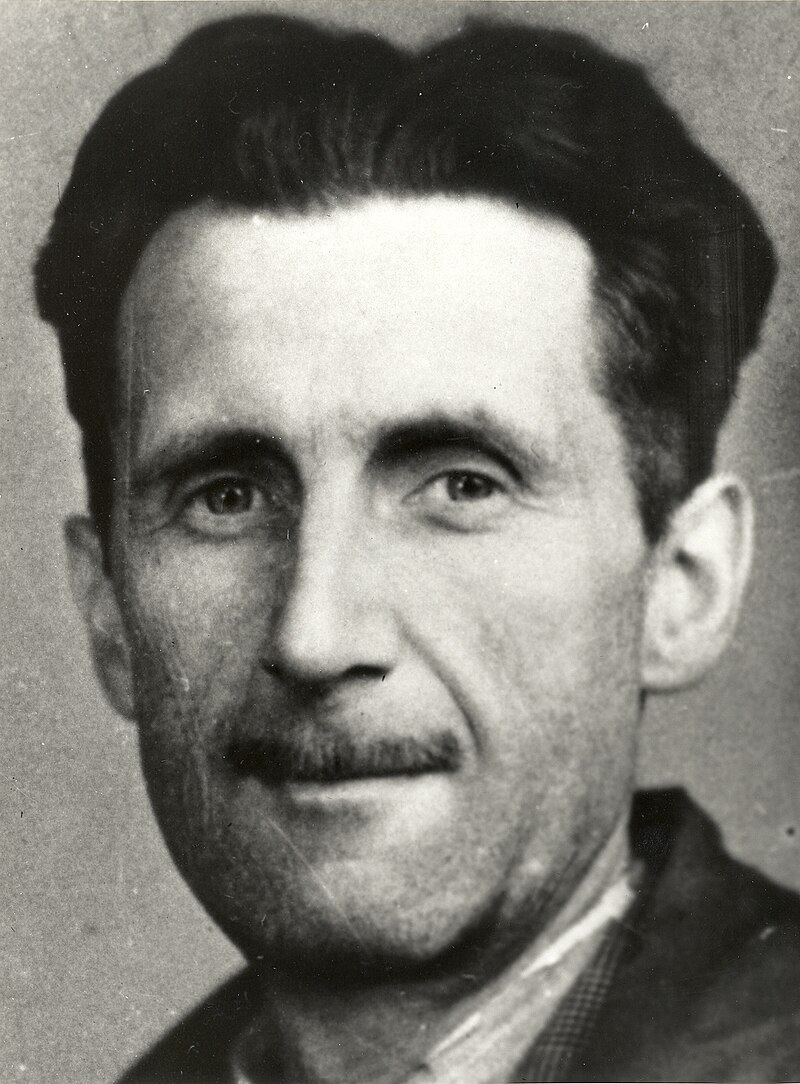
George Orwell
British writer and journalist (1903–1950)

James Joyce
Irish novelist and poet (1882–1941)

Benito Mussolini
Benito Amilcare Andrea Mussolini was an Italian politician, journalist, and dictator who led Italy as Il Duce from 1922 until his overthrow in 1943. He founded the fascist movement in 1919, with the creation of the Fasci Italiani di Combattimento, which became the National Fascist Party (PNF) in 1921. Mussolini was appointed Prime Minister of Italy after the March on Rome in 1922, establishing a totalitarian dictatorship. He oversaw Italy's participation in World War II as a prominent member of the Axis Powers, and was summarily executed near the end of the war in 1945.

Benedictus de Spinoza
Dutch philosopher (1632-1677)

H. G. Wells
English writer (1866–1946)

Thomas Hobbes
English philosopher (1588–1679)

David Hume
Scottish philosopher, economist, and historian (1711-1776)

John Milton
English poet and civil servant (1608–1674)
.jpg)
Erasmus
Desiderius Erasmus Roterodamus ( ; ; 28 October c. 1466 – 12 July 1536), commonly known in English as Erasmus of Rotterdam or simply Erasmus, was a Dutch humanist, Christian theologian, and pioneering philologist and educationalist. He was, through his writings and translations, one of the most influential scholars of the Northern Renaissance and a major figure of Western culture.

Denis Diderot
French Enlightenment philosopher writer and encyclopædist (1713–1784)

Richard Dawkins
English ethologist, evolutionary biologist and author (born 1941)

John Calvin
French Protestant reformer (1509-1564)
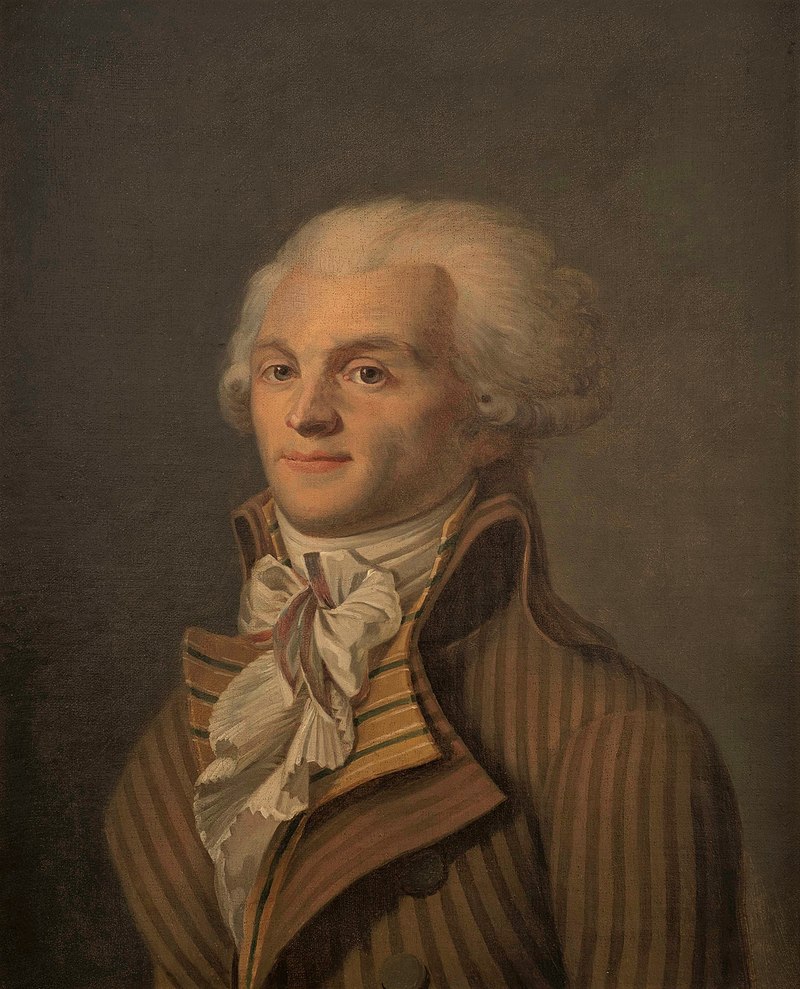
Maximilien Robespierre
French revolutionary lawyer and politician (1758–1794)
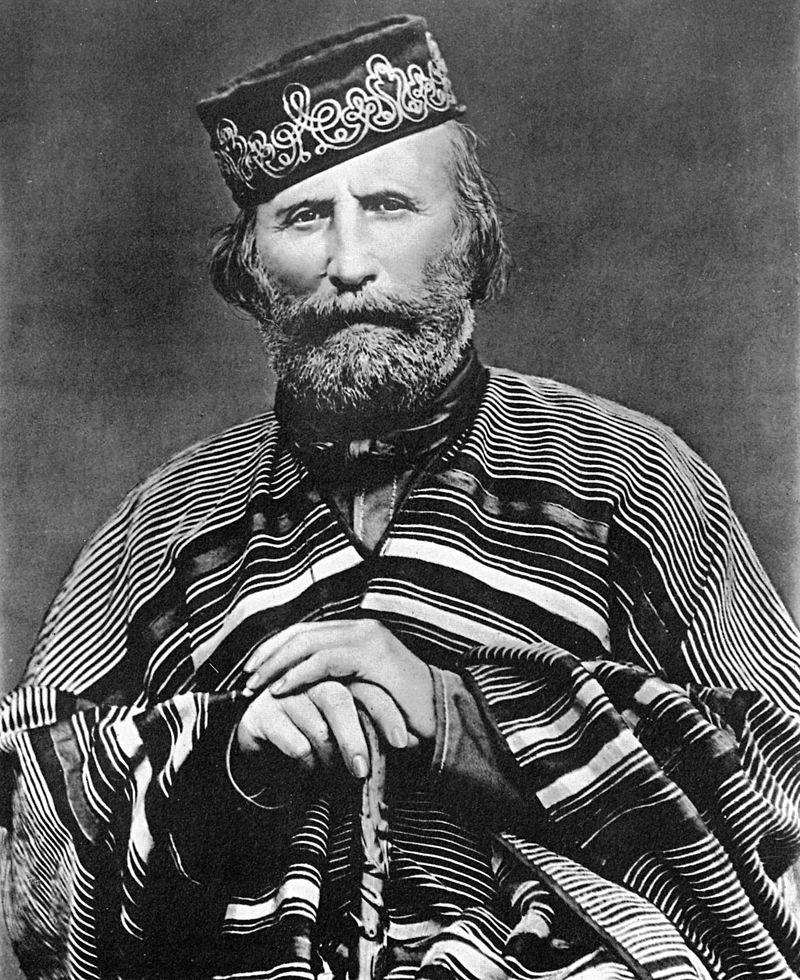
Giuseppe Garibaldi
Italian general, patriot and republican (1807–1882)

Oliver Cromwell
English military and political leader (1599–1658)

Kurt Vonnegut
American author (1922–2007)

Rodrigo Duterte
President of the Philippines from 2016 to 2022
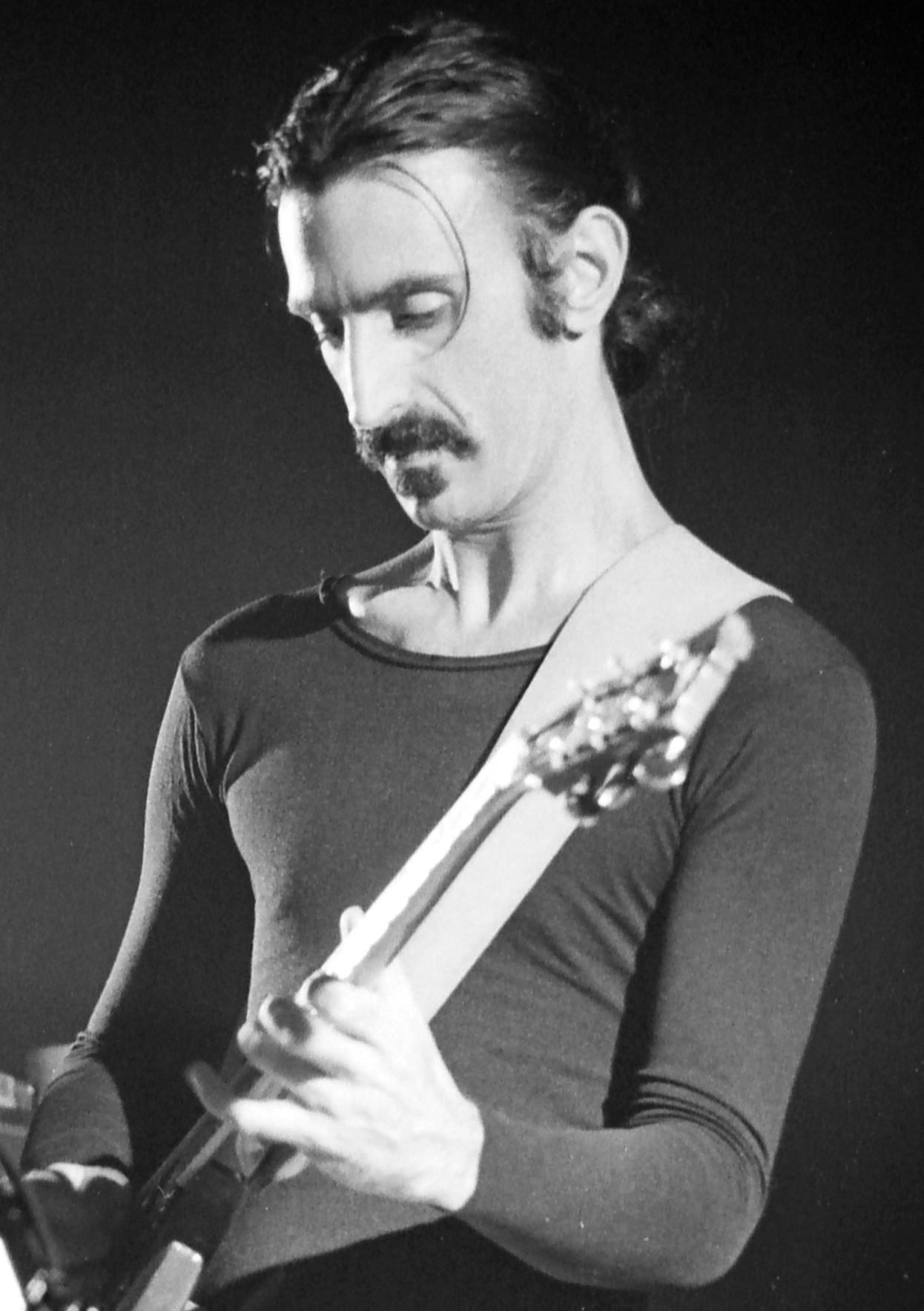
Frank Zappa
American musician (1940–1993)

John Donne
English poet and cleric (1572-1631)
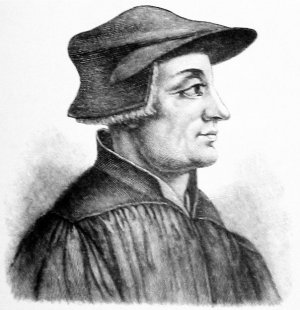
Huldrych Zwingli
Protestant Reformation leader in Switzerland, Swiss Reformed Church founder (1484-1531)

Samuel Finley Breese Morse
American inventor and painter (1791–1872)

Giuseppe Mazzini
Italian nationalist activist, politician, journalist and philosopher

Julian
last Pagan Roman emperor, reigned 361 to 363
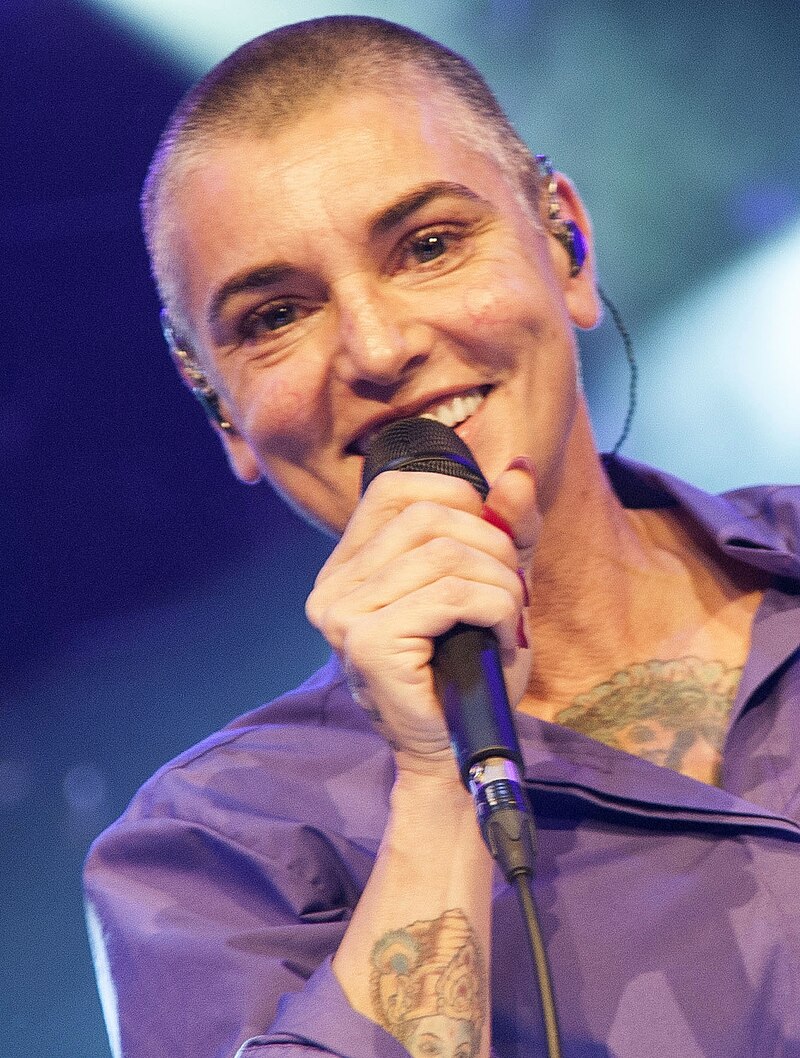
Q193982
Irish singer-songwriter and activist (1966–2023)

Baron d'Holbach
German-born French philosopher (1723–1789)
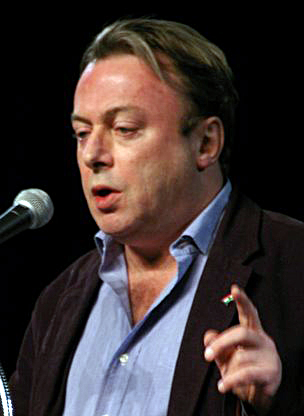
Christopher Hitchens
English American author and journalist (1949–2011)

John Wycliffe
English theologian and early dissident in the Roman Catholic Church

Philipp Melanchthon
German reformer (1497-1560)

Martin Bormann
German Nazi Party official and head of the Nazi Party Chancellery (1900–1945)

Edmund Spenser
English poet (c. 1552 – 1599)

Philip Pullman
English author

Alfred Rosenberg
Baltic German architect, Nazi politician and ideologue (1893-1946)

Erich Ludendorff
German Army officer (1865–1937)

Wilkie Collins
British writer (1824-1889)

John Knox
Scottish clergyman, writer and historian (1514–1572)

Billy Connolly
Scottish actor and comedian

Stephen Fry
Sir Stephen John Fry is an English actor, comedian, presenter and writer. He began his career on the sketch comedy series Alfresco (1983–1984) and the sitcom Blackadder (1986–1989), before gaining recognition as part of the comedy duo Fry and Laurie alongside Hugh Laurie, appearing together in A Bit of Fry & Laurie (1989–1995) and Jeeves and Wooster (1990–1993). His later television roles include Kingdom (2007–2009), Bones (2007–2017), and It's a Sin (2021). Fry was the original host of the comedy panel show QI (2003–2016), for which he was nominated for six British Academy Television Awards. In 2006, the British public ranked Fry number 9 in ITV's poll of TV's 50 Greatest Stars.

William Penn
English real estate entrepreneur, philosopher, early Quaker and founder of the Province of Pennsylvania (1644-1718)

Thomas Cranmer
leader of the English Reformation and Archbishop of Canterbury

Q334147
Italian philosopher and esotericist (1898-1974)

Anton LaVerga
Founder of the Church of Satan, author of the Satanic Bible (1930-1997)

Joyce Carol Oates
American author (born 1938)

Lorenzo Valla
Italian Renaissance humanist (c. 1407–1457)

Thomas Müntzer
early Reformation-era German pastor who was a rebel leader during the German Peasants' War
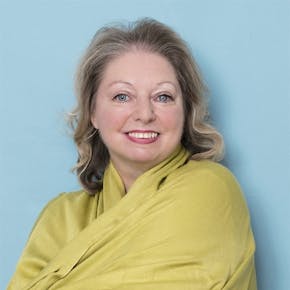
Hilary Mantel
British writer (1952–2022)

Photios I of Constantinople
9th Century Ecumenical Patriarch of Constantinople

Ellen G. White
American author, co-founder of the Seventh-day Adventist Church (1827–1915)

Tariq Ali
British political activist, writer, and historian (born 1943)

Eugène Sue
French writer (1804-1857)

Gabriel Byrne
Irish actor

Billy Hughes
Australian politician (1862–1952), 7th Prime Minister of Australia from 1915 to 1923

Ian Paisley
politician and former church minister (1926-2014)

Joe Rogan
American broadcaster, comedian, and actor (born 1967)

Houston Stewart Chamberlain
British-German racialist philosopher (1855–1927)
.jpg)
Hozier
Andrew John Hozier-Byrne (born 17 March 1990), known professionally as Hozier ( ), is an Irish singer and musician. His music primarily draws from folk, soul and blues, often using religious and literary themes and taking political or social justice stances.

Matthew Gregory Lewis
English novelist and dramatist (1775–1818)