Category
page 1NUTS 2 statistical regions of the European Union

Denmark

Luxembourg
Luxembourg, officially the Grand Duchy of Luxembourg, is a landlocked country in Western Europe. It is bordered by Belgium to the west and north, Germany to the east, and France on the south. Its capital and most populous city, Luxembourg City, is one of the four institutional seats of the European Union and hosts several EU institutions, notably the Court of Justice of the European Union, the highest judicial authority in the EU.
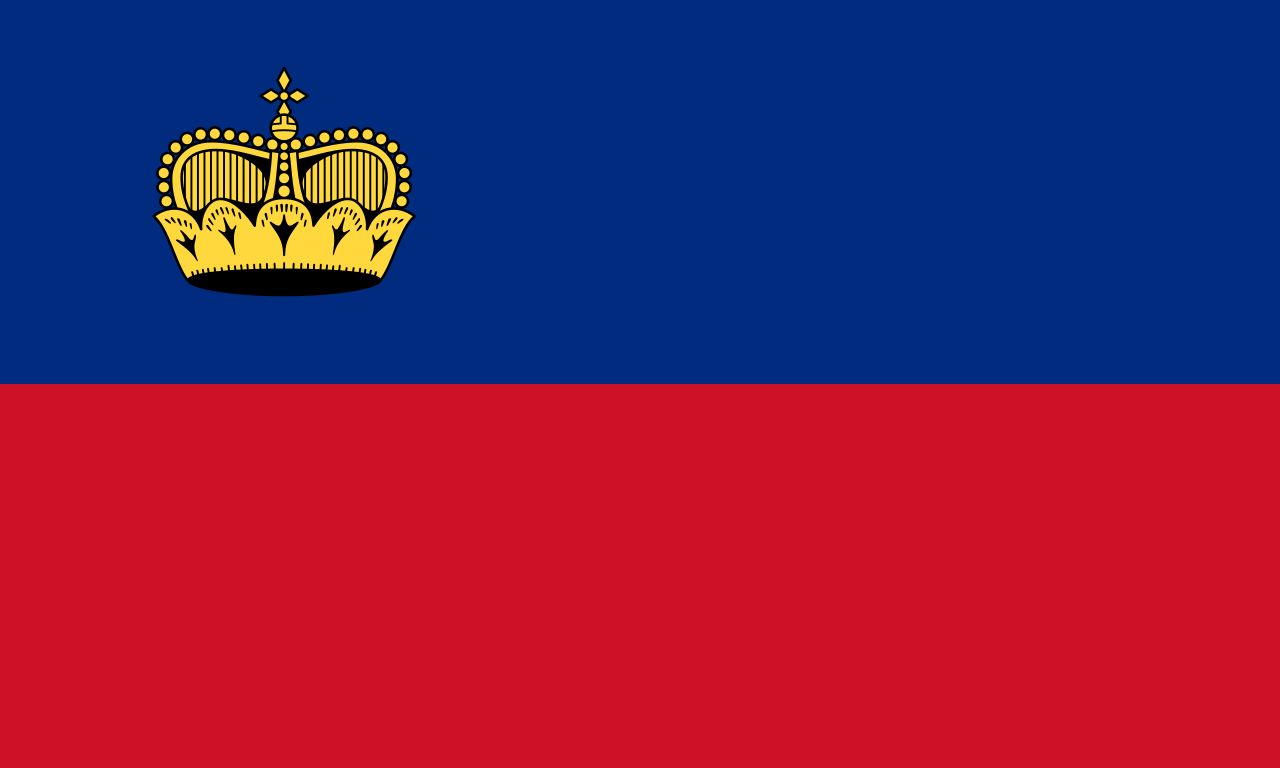
Liechtenstein
Liechtenstein (, ; ; ), officially the Principality of Liechtenstein ( ), is a doubly landlocked country in the Central European Alps. It is located between Austria to the east and north-east and Switzerland to the north-west, west and south. Formed in 1719, Liechtenstein became fully independent upon the dissolution of the German Confederation in 1866. Liechtenstein is a monarchy headed by the prince of Liechtenstein. Hans-Adam II, Prince of Liechtenstein has reigned over Liechtenstein since 1989. Liechtenstein is Europe's fourth-smallest country, with an area of just over and a population of
.svg)
Vienna
Vienna ( ; ; ) is the capital, most populous city, and one of the nine states of Austria. It is Austria's primate city, with just over two million inhabitants. Its larger metropolitan area has a population of nearly 2.9 million, representing nearly one-third of the country's population. Vienna is the cultural, economic, and political centre of the country, the fifth-largest city by population in the European Union, and the most populous of the cities on the river Danube.

Prague
Prague ( ; ) is the capital and largest city of the Czech Republic and the historical capital of Bohemia. Located on the Vltava River, the city has a population of about 1.4 million, making it the twelfth-largest city in the European Union. Its metropolitan area is home to approximately 2.3 million people.

Hamburg
Hamburg, officially the Free and Hanseatic City of Hamburg, is the second-largest city in Germany after Berlin and seventh-largest city in the European Union, with a population of over 1.9 million. The Hamburg Metropolitan Region has a population of over 5.1 million and is the tenth-largest metropolitan region by GDP in the European Union. At the southern tip of the Jutland Peninsula, Hamburg stands on the branching River Elbe at the head of a estuary to the North Sea, at the confluence of the Alster and Bille. Hamburg is one of Germany's three city-states alongside Berlin and Bremen, and

Catalonia
Catalonia is an autonomous community of Spain, designated as a nationality by its Statute of Autonomy. Its territory is situated on the northeast of the Iberian Peninsula, to the south of the Pyrenees mountain range. Catalonia is administratively divided into four provinces or eight vegueries (regions), which are in turn divided into 43 comarques. The capital and largest city, Barcelona, is the second-most populous municipality in Spain and the fifth-most populous urban area in the European Union.
Sicily
Sicily (Italian and ), officially the Sicilian Region, is an island in the central Mediterranean Sea and one of the twenty regions of Italy, situated south of the Italian Peninsula in continental Europe. With over 4.7 million inhabitants, including 1.2 million in and around the capital city of Palermo, it is both the largest and most populous island in the Mediterranean Sea.
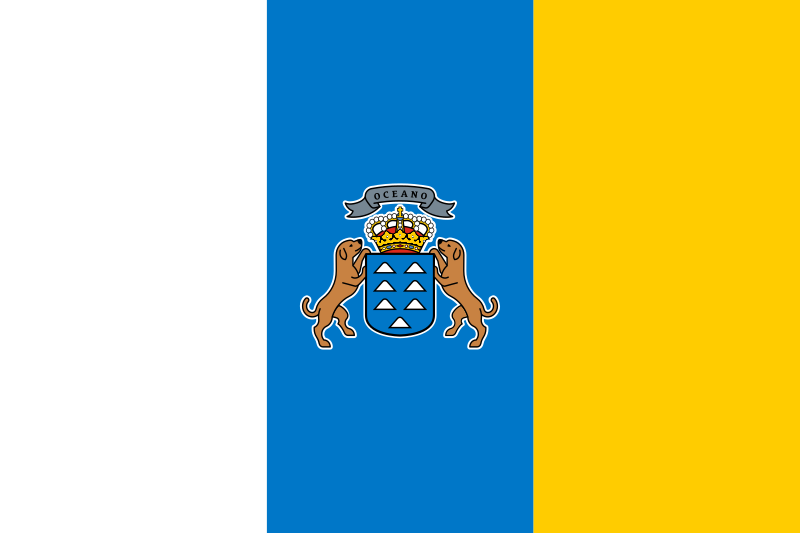
Canary Islands
autonomous community of Spain, and archipelago in the Atlantic Ocean

Sardinia
thumb|Satellite imagery|Satellite image of Sardinia, acquired on 27 April 2003 by NASA's Aqua MODIS instrument
Sardinia ( ; ; ), officially the Autonomous Region of Sardinia, is the second largest island in the Mediterranean Sea after Sicily, and one of the twenty regions of Italy. It is located 200 km west of the Italian Peninsula, 200 km north of Tunisia, and 16.45 km south of the French island of Corsica. Sardinia is one of five Italian regions with statutory domestic autonomy. It is divided into six provinces and two metropolitan cities. Cagliari is the capital and largest city, followed b

Melilla
Melilla (, ; ) is an autonomous city of Spain on the North African coast. It lies on the eastern side of the Cape Three Forks, bordering Morocco and facing the Mediterranean Sea. It has an area of . It was part of the province of Málaga until 14 March 1995, when the Statute of Autonomy of Melilla was passed.
Andalusia
Andalusia ( , ; , ) is the southernmost autonomous community in Peninsular Spain, located in the south of the Iberian Peninsula, in southwestern Europe. It is the most populous and the second-largest autonomous community in the country. It is officially recognized as a historical nationality and a national reality. The territory is divided into eight provinces: Almería, Cádiz, Córdoba, Granada, Huelva, Jaén, Málaga, and Seville. Its capital city is Seville, while the seat of its High Court of Justice is the city of Granada.

Brandenburg
Brandenburg, officially the State of Brandenburg (see Names), is a state in northeastern Germany. Brandenburg borders Poland and the states of Berlin, Mecklenburg-Vorpommern, Lower Saxony, Saxony-Anhalt, and Saxony. It is the fifth-largest German state by area and the tenth-most populous, with 2.5 million residents. Potsdam is the state capital and largest city. Other major towns are Cottbus, Brandenburg an der Havel and Frankfurt (Oder).

Saarland
Saarland () or The Saarland is a state of Germany in the southwest of the country. With an area of and a population of 990,509 in 2018, it is the smallest German state in area apart from the city-states of Berlin, Bremen, and Hamburg, and the smallest in population apart from Bremen. Saarbrücken is the state capital and largest city; other cities include Neunkirchen and Saarlouis. Saarland is mainly surrounded by the department of Moselle (Grand Est) in France to the west and south and the neighboring state of Rhineland-Palatinate in Germany to the north and east; it also shares a small border

Thuringia
Thuringia (; officially the Free State of Thuringia, ) is one of Germany's 16 states. With 2.1 million people, it is 12th-largest by population, and with 16,171 square kilometers, it is 11th-largest in area.

Tuscany

Galicia
autonomous community of Spain

Schleswig-Holstein
Schleswig-Holstein (; ; ; ; ; occasionally in English Sleswick-Holsatia) is the northernmost of the 16 states of Germany, comprising most of the historical Duchy of Holstein and the southern part of the former Duchy of Schleswig. It borders Denmark, Mecklenburg-Vorpommern, Lower Saxony and the city-state of Hamburg. Its capital city is Kiel; other notable cities are Lübeck and Flensburg. It covers an area of , making it the 5th smallest German federal state by area (including the city-states). Historically, the name can also refer to a larger region, containing both present-day Schleswig-Holst

Mecklenburg-Vorpommern
Mecklenburg-Vorpommern (MV; ; ), also known by its anglicized name Mecklenburg–Western Pomerania, is a state in the north-east of Germany. Of the country's sixteen states, Mecklenburg-Vorpommern ranks 14th in population; it covers an area of , making it the sixth largest German state in area; and it is 16th in population density. Schwerin is the state capital and Rostock is the largest city. Other major cities include Neubrandenburg, Stralsund, Greifswald, Wismar, and Güstrow. It was named after the two regions of Mecklenburg and Western Pomerania (German: Vorpommern).

Balearic Islands
archipelago in the Mediterranean Sea

Saxony-Anhalt
Saxony-Anhalt ( ; ; ) is a state of Germany, bordering the states of Brandenburg, Saxony, Thuringia and Lower Saxony. It covers an area of
and has a population of 2.17 million inhabitants, making it the 8th-largest state in Germany by area and the 11th-largest by population. Its capital is Magdeburg.
Åland
Åland ( , ; ) is an autonomous and demilitarised region of Finland. Receiving its autonomy by a 1920 decision of the League of Nations, it is the smallest region of Finland by both area () and population (30,654), constituting 0.51% of Finland's land area and 0.54% of its population. Its official language is Swedish and the capital city is Mariehamn.

Lombardy
Lombardy (Lombard and ; ) is an administrative region of Italy that covers ; it is located in northern Italy and has a population of about 10 million people, constituting more than one-sixth of Italy's population. Lombardy is located between the Alps mountain range and tributaries of the river Po, and includes Milan, its capital, whose metropolitan area is the largest in the country and among the largest in the EU.
.jpg)
Ceuta
Ceuta (, , ; ) is an autonomous city of Spain on the North African coast. Bordered by Morocco, it lies along the boundary between the Mediterranean Sea and the Atlantic Ocean. Ceuta is one of the special member state territories of the European Union.

Lazio
Lazio ( , ; ) or Latium ( , ; from the original Latin name, ) is one of the 20 administrative regions of Italy. Situated in the central peninsular section of the country, it has 5,714,882 inhabitants and a GDP of more than €212 billion per year, making it the country's second most populated region and second largest regional economy after Lombardy. The capital of Lazio is Rome, which is the capital city of Italy.

Piedmont
Piedmont ( ; ; ) is one of the 20 regions of Italy, located in the Northwest of the country. It borders the Liguria region to the south, the Lombardy and Emilia-Romagna regions to the east, and the Aosta Valley region to the northwest. Piedmont also borders Switzerland to the north and France to the west.

Calabria
Calabria is a region in Southern Italy. It is a peninsula bordered by the region Basilicata to the north, the Ionian Sea to the east, the Strait of Messina to the southwest, which separates it from Sicily, and the Tyrrhenian Sea to the west. It has 1,832,147 residents as of 2025 across a total area of . Catanzaro is the region's capital.

Apulia
Apulia ( ), also known by its Italian name Puglia (), is a region of Italy, located in the southern peninsular section of the country, bordering the Adriatic Sea to the east, the Strait of Otranto and Ionian Sea to the southeast and the Gulf of Taranto to the south. The region comprises , and has 3,874,166 inhabitants as of 2025. It is bordered by the other Italian regions of Molise to the north, Campania to the west, and Basilicata to the southwest. The regional capital is Bari.

Veneto
right|thumb|The city of Venice, ranked many times as the most beautiful city in the world. It is the primary tourist destination and the capital of Veneto.
thumb|right|Lake Alleghe near [[Belluno]]
thumb|right|Cortina d'Ampezzo
thumb|right|The Piave (river)|Piave River
thumb|right|The Venetian Lagoon at sunset
thumb|Flamingos in the delta of the Po river

Basque Country
autonomous community of Spain
Aragon
Aragon ( , ; Spanish and ; ) is an autonomous community in Spain, coextensive with the medieval Kingdom of Aragon. In northeastern Spain, the Aragonese autonomous community comprises three provinces (from north to south): Huesca, Zaragoza, and Teruel. Its capital is Zaragoza. The current Statute of Autonomy declares Aragon a historic nationality of Spain.

Emilia-Romagna
Emilia-Romagna (, , both , ) is an administrative region of northern Italy, comprising the historical regions of Emilia and Romagna. Its capital is Bologna. It has a population of over 4.4 million in an area of .

Île-de-France
The Île-de-France (; ; ) is the most populous of the eighteen regions of France, with an official estimated population of 12,271,794 residents on 1 January 2023. Containing the capital city of France, Paris, it is located in the north-central part of the country and often called the Paris Region (, ). Île-de-France is densely populated and retains a prime economic position on the national stage, and it covers , about 2% of metropolitan French territory. Its 2017 population was nearly one-fifth of the national total.

Abruzzo
Abruzzo (, , ; , ), historically also known as Abruzzi, is a region of Southern Italy. It has an area of and a population of nearly 1.3 million. It is divided into four provinces: L'Aquila, Teramo, Pescara, and Chieti. Its western border, shared with Lazio, lies east of Rome. L'Aquila is both the capital city of the Abruzzo region and of the Province of L'Aquila, and is the second largest city. The other provincial capitals are Pescara, which is Abruzzo's largest city and major port, Teramo, and Chieti. Other large cities and towns in Abruzzo include the industrial and high tech center Avezzan

Campania
Campania is an administrative region of Italy, located in the south of the country; most of it is in the southwestern portion of the Italian Peninsula (with the Tyrrhenian Sea to its west), but it also includes the small Phlegraean Islands and the island of Capri. The capital is Naples. Campania has a population of 5,575,025 as of 2025, making it Italy's third-most populous region, and, with an area of , its most densely populated. Based on its GDP, Campania is also the most economically productive region in Southern Italy and the 7th most productive in the whole country. Naples' urban area, w

Liguria
Liguria ( , ; ) is a region of north-western Italy; its capital is Genoa. Its territory is crossed by the Alps and the Apennines mountain range and is roughly coextensive with the former territory of the Republic of Genoa. Liguria is bordered by France (Provence-Alpes-Côte d'Azur) to the west, Piedmont to the north, and Emilia-Romagna and Tuscany to the east. It rests on the Ligurian Sea, and has a population of 1,509,908 as of 2025. The region is part of the Alps–Mediterranean Euroregion.
Asturias
Asturias, officially the Principality of Asturias, is an autonomous community in northwest Spain.
It is coextensive with the province of Asturias and contains some of the territory that was part of the larger Kingdom of Asturias in the Middle Ages. Divided into eight comarcas (counties), the autonomous community of Asturias is bordered by Cantabria to the east, by León (Castile and León) to the south, by Lugo (Galicia) to the west, and by the Cantabrian Sea to the north.
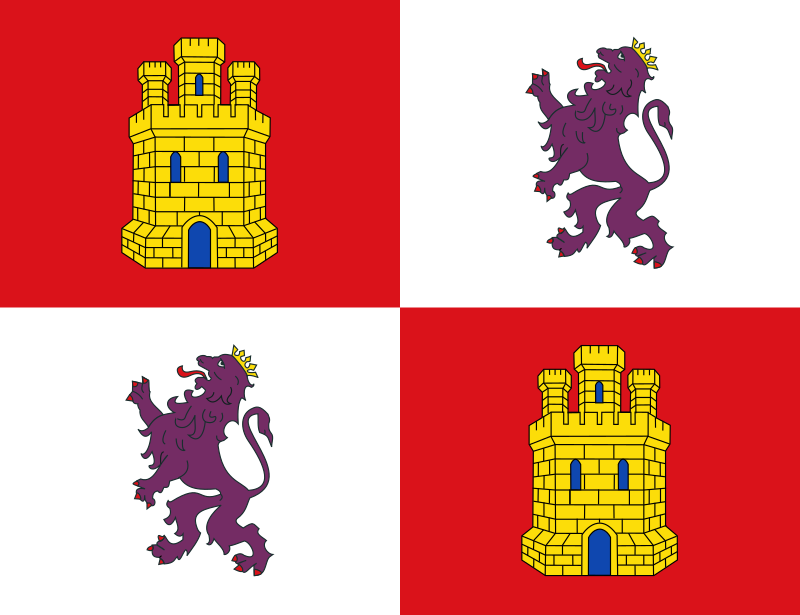
Castile and León
autonomous community of Spain

Basilicata
Basilicata (also known by its ancient name Lucania) is an administrative region in Southern Italy, bordering on Campania to the west, Apulia to the north and east, and Calabria to the south. It has two coastlines: a 30-kilometre stretch on the Gulf of Policastro (Tyrrhenian Sea) between Campania and Calabria, and a longer coastline along the Gulf of Taranto (Ionian Sea) between Calabria and Apulia. The region can be thought of as "the arch" of "the boot" of Italy, with Calabria functioning as "the toe" and Apulia "the heel".

Aosta Valley
Italian mountainous semi-autonomous region in the North-West

Valencian Community
autonomous community of Spain

Alsace
Alsace is a cultural region and a territorial collectivity in the Grand Est administrative region of northeastern France, on the west bank of the upper Rhine, next to Germany and Switzerland. In January 2021, it had a population of 1,919,745. Alsatian culture is characterized by a blend of German and French influences.

Marche
Marche ( , ), in English sometimes referred to as the Marches ( ), is one of the twenty regions of Italy. The region is located in the central area of the country, and has a population of nearly 1.5 million people, being the thirteenth largest region in the country by number of inhabitants. The region's capital and largest city is Ancona.

Friuli Venezia Giulia
autonomous region of Italy

Pays de la Loire
administrative region of France

Bremen
federated state of Germany

Provence-Alpes-Côte d'Azur
French administrative region

Friesland
Friesland ( ; ; official ), historically and traditionally known as Frisia (), is a province of the Netherlands located in the country's northern part. It is situated west of Groningen, northwest of Drenthe and Overijssel, north of Flevoland, northeast of North Holland, and south of the Wadden Sea. As of January 2023, the province had a population of about 660,000, and a total area of .

South Holland
province of the Netherlands
Cantabria
Cantabria (, ; ) is an autonomous community and province in northern Spain with Santander as its capital city. It is called a , a historic community, in its current Statute of Autonomy. It is bordered on the east by the Basque Country (province of Biscay), on the south by Castile and León (provinces of León, Palencia and Burgos), on the west by Asturias, and on the north by the Cantabrian Sea, which forms part of the Bay of Biscay.
.svg)
Extremadura
Extremadura ( ; ; ; ; Fala: Extremaúra) is a landlocked autonomous community of Spain. Its capital city is Mérida, and its largest city is Badajoz. Located in the central-western part of the Iberian Peninsula, it is crossed from east to west by the Tagus and Guadiana rivers. The autonomous community is formed by the two largest provinces of Spain: Cáceres and Badajoz. Extremadura is bordered by Portugal to the west and by the autonomous communities of Castile and León to the north, Castilla–La Mancha to the east, and Andalusia to the south.
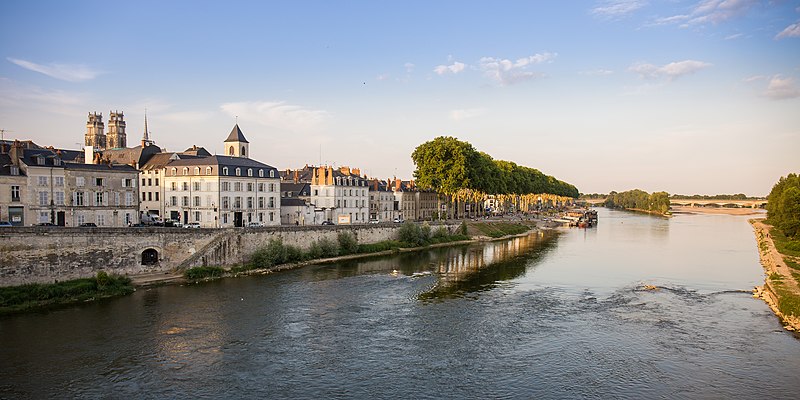
Centre-Val de Loire
French administrative region

Navarre
Navarre ( ; ; ), officially the Chartered Community of Navarre, is a landlocked foral autonomous community and province in northern Spain, bordering the Basque Autonomous Community, La Rioja, and Aragon in Spain and Nouvelle-Aquitaine in France. The capital city is Pamplona (). The present-day province makes up the majority of the territory of the medieval Kingdom of Navarre, a long-standing Pyrenean kingdom that occupied lands on both sides of the western Pyrenees, with its northernmost part, Lower Navarre, located in the southwest corner of France.
.JPG)
Aquitaine
Aquitaine (, ; ; ; ; Poitevin-Saintongeais: Aguiéne), archaic Guyenne or Guienne (), is a historical region of southwestern France and a former administrative region. Since 1 January 2016 it has been part of the administrative region of Nouvelle-Aquitaine. It is situated in the southwest corner of metropolitan France, along the Atlantic Ocean and the Pyrenees mountain range on the border with Spain. It is composed of five departments: Dordogne, Lot-et-Garonne, Pyrénées-Atlantiques, Landes, and Gironde. The Romans established Gallia Aquitania as a province. In the Middle Ages, Aquitaine was a k
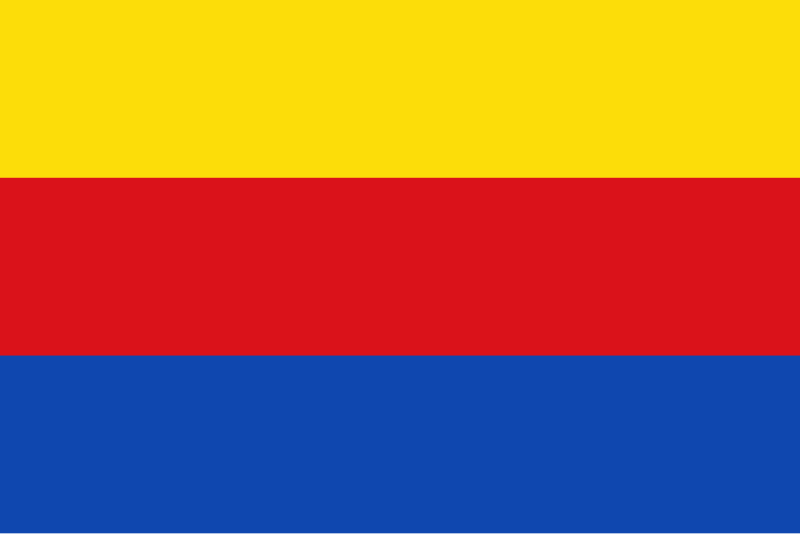
North Holland
province of the Netherlands
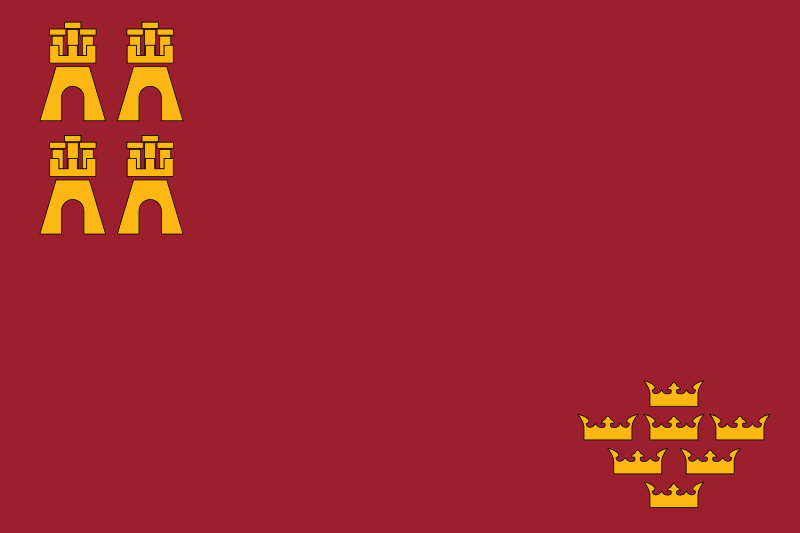
Region of Murcia
autonomous community of Spain

Lorraine
Lorraine is a historical area of Eastern France that today falls within the administrative region of Grand Est. It has its origins in the medieval kingdom of Lotharingia (855–959 AD), named after Emperor Lothair I or King Lothair II, which came to be ruled by the Holy Roman Empire. This kingdom, which extended further north than the modern region, was divided into upper and lower duchies; the lower duchy lasted until the 12th century but the upper duchy persisted and developed into the Duchy of Lorraine. The Kingdom of France annexed the duchy, along with the Duchy of Bar (the two having
Carinthia
Carinthia ( ; or avstrijska Koroška; ) is the southernmost and least densely populated Austrian state, in the Eastern Alps, and is noted for its mountains and lakes. The Lake Wolayer is a mountain lake on the Carinthian side of the Carnic Main Ridge, near the Plöcken Pass. The main language is Austrian German, with its non-standard dialects belonging to the Southern Bavarian group; Carinthian Slovene dialects, forms of a South Slavic language that predominated in the southeastern part of the region up to the first half of the 20th century, are now spoken by a small minority in the area.

Castile–La Mancha
autonomous community of Spain
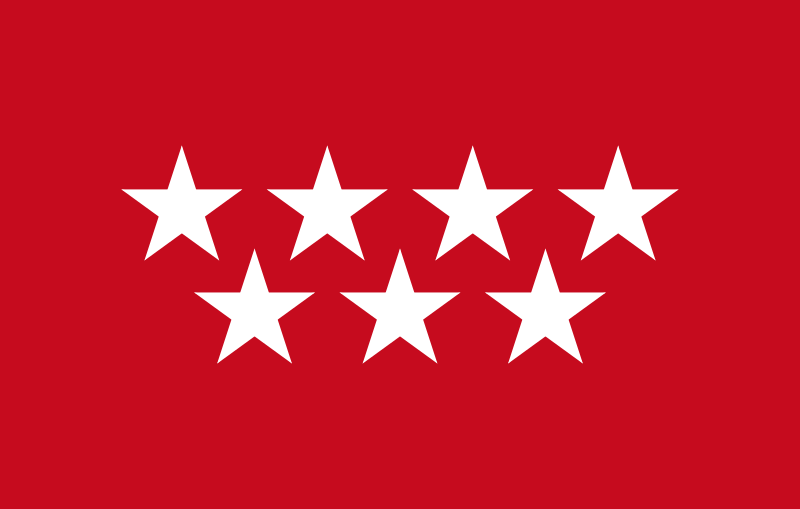
Community of Madrid
autonomous community of Spain