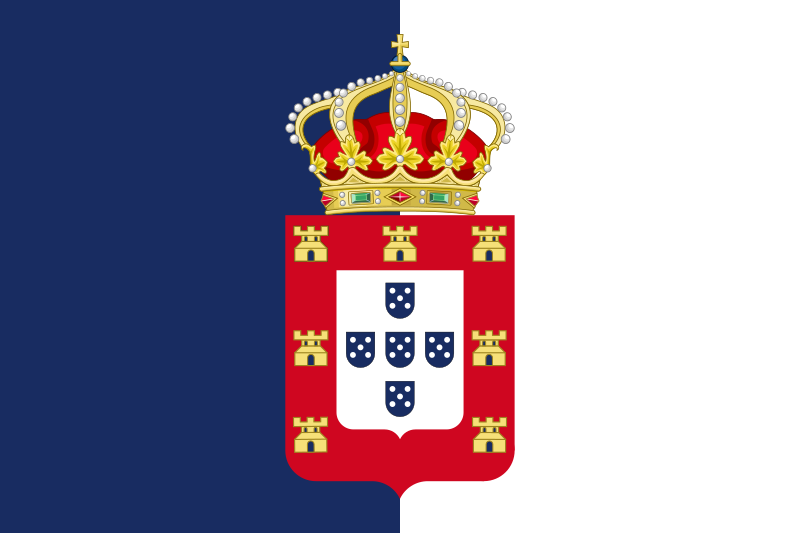
Kingdom of Portugal
Also known as Portuguese Kingdom
kingdom in Southwestern Europe (1139–1910)
AI overview
The Kingdom of Portugal was a European nation that ruled the southwestern part of the continent for over 770 years, from 1139 until 1910. It matters historically because it was one of Europe's longest-lasting monarchies and played a significant role in European affairs during the medieval and early modern periods.
AI-generated from the Wikipedia summary — may contain errors.
Wikidata facts
- Official name
- Reino de Portugal e dos Algarves
- Population
- 5400000
- Households
- 287770
Show 6 more facts
- inception
- 1139-07-25
- dissolved, abolished or demolished date
- 1910-10-05
- native label
- Reino de Portugal
- name in native language
- Reino de Portugal e dos Algarves
- P12749
- Felix Liebermann
- P8168
- Hochfeilerhütte
Sources (6)
~8 min read
Article
The Kingdom of Portugal was a monarchy in the western Iberian Peninsula and the predecessor of the modern Portuguese Republic. Existing to various extents between the mid-12th century and the early 20th century, it was also known as the Kingdom of Portugal and the Algarves after 1471, and was the main constituent of the United Kingdom of Portugal, Brazil and the Algarves, which existed between 1815 and 1822. It coexisted with the Portuguese Empire, the realm's overseas colonies.
The nucleus of the Portuguese state was the County of Portugal, established in the 9th century as part of the Reconquista by Vímara Peres, a vassal of the King of Asturias. The county became part of the Kingdom of León in 1097, and the Counts of Portugal established themselves as rulers of an independent kingdom in the 12th century, following the Battle of São Mamede. The kingdom was ruled by the Afonsine Dynasty until the 1383–85 Crisis, after which the monarchy passed to the House of Aviz.
Gallery (12)
On the map
Connections
Categories
1139 establishments in Europe12th-century establishments in Portugal1910 disestablishments in Portugal1910 disestablishments in the Portuguese Empire2nd millennium in PortugalEarly modern history of PortugalFormer Christian statesFormer countries on the Iberian PeninsulaFormer kingdomsFormer monarchies of EuropeHistory of Portugal by polity